
Featured / Chicago & Culture
The Riverwalk Became Chicago’s Street Below the Streets
A look at how the expanded Chicago Riverwalk changed the way pedestrians encounter downtown architecture, public space and the working river after 2016.
Stories and essays about the city, the craft of reporting, and the tools that shape modern publishing.
A look at how the expanded Chicago Riverwalk changed the way pedestrians encounter downtown architecture, public space and the working river after 2016.

The Black Metropolis received a national heritage designation in 2023. Bronzeville’s streets preserve a much older record of Chicago’s Black history.

Chicago’s architecture tours and Open House Chicago invite visitors to look beyond the skyline toward the structures and choices shaping everyday streets.
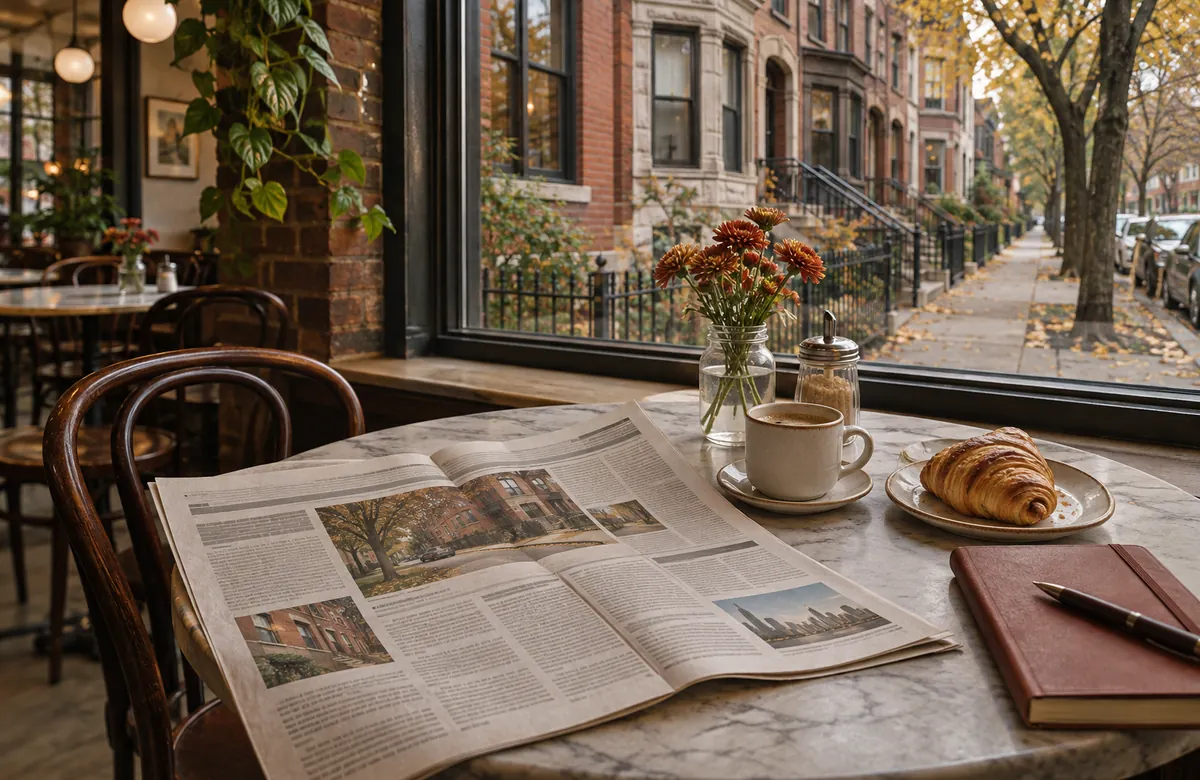
The arrival of South Side Weekly and Block Club Chicago in the 2010s reflected the continuing value of reporting rooted in a particular part of the city.
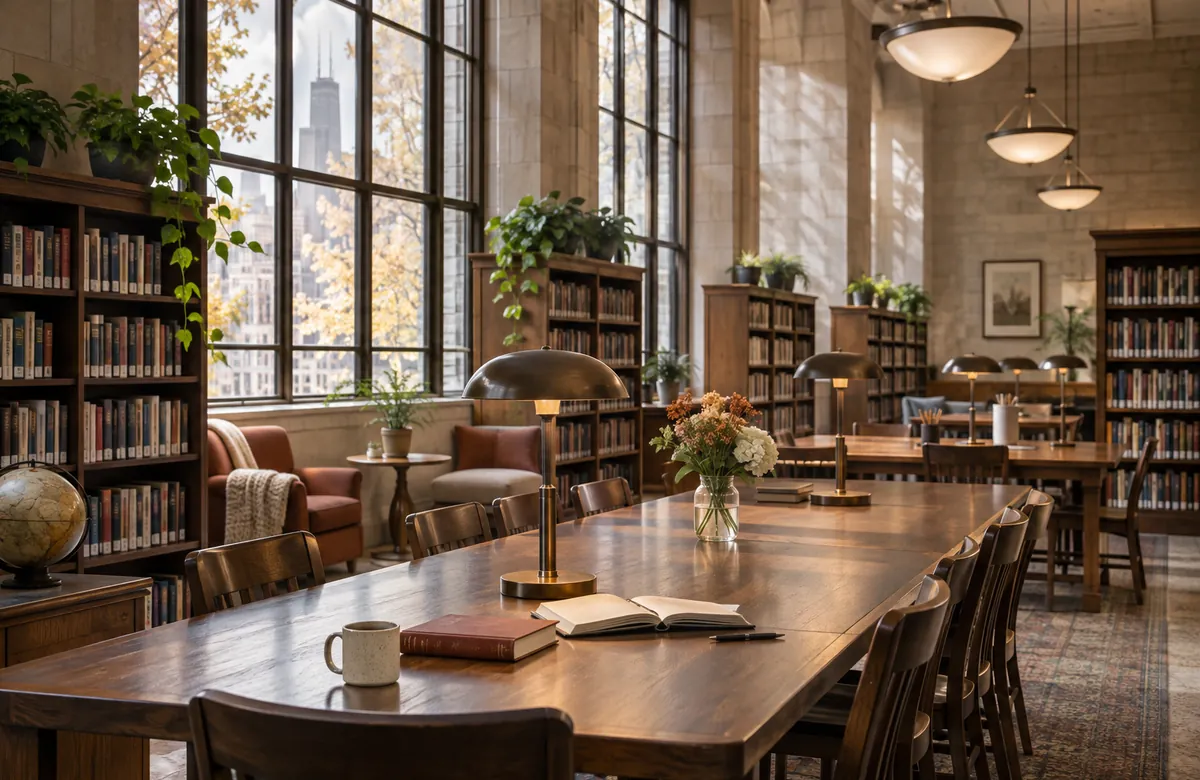
From digital learning to the elimination of most overdue fines in 2019, Chicago Public Library has reconsidered how residents gain access to information.

Chicago’s art galleries occupy former warehouses, storefronts and working studios. Discover what their neighborhoods bring to the experience of seeing art.
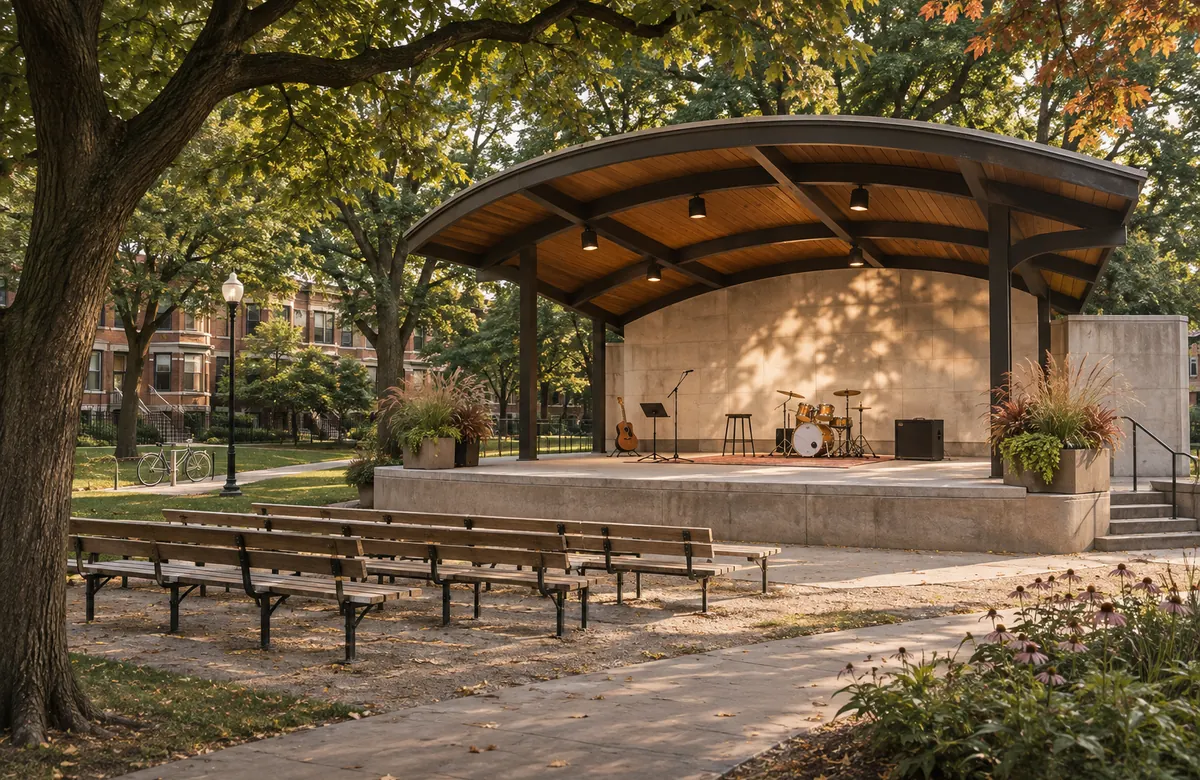
Chicago's public sculptures and neighborhood park performances offer distinct ways of fitting art into the course of an ordinary city's summer day.
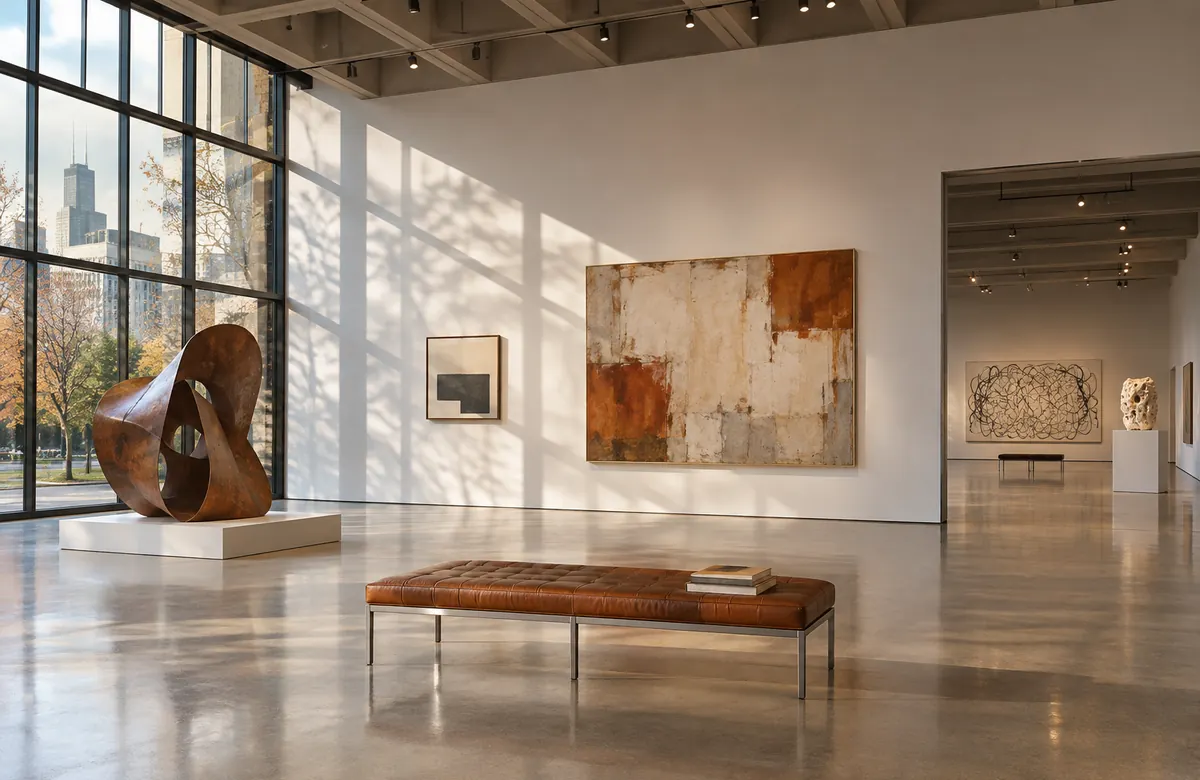
Explore the Art Institute's Modern Wing and the Museum of Contemporary Art through questions of display, context, experimentation, and slow looking.
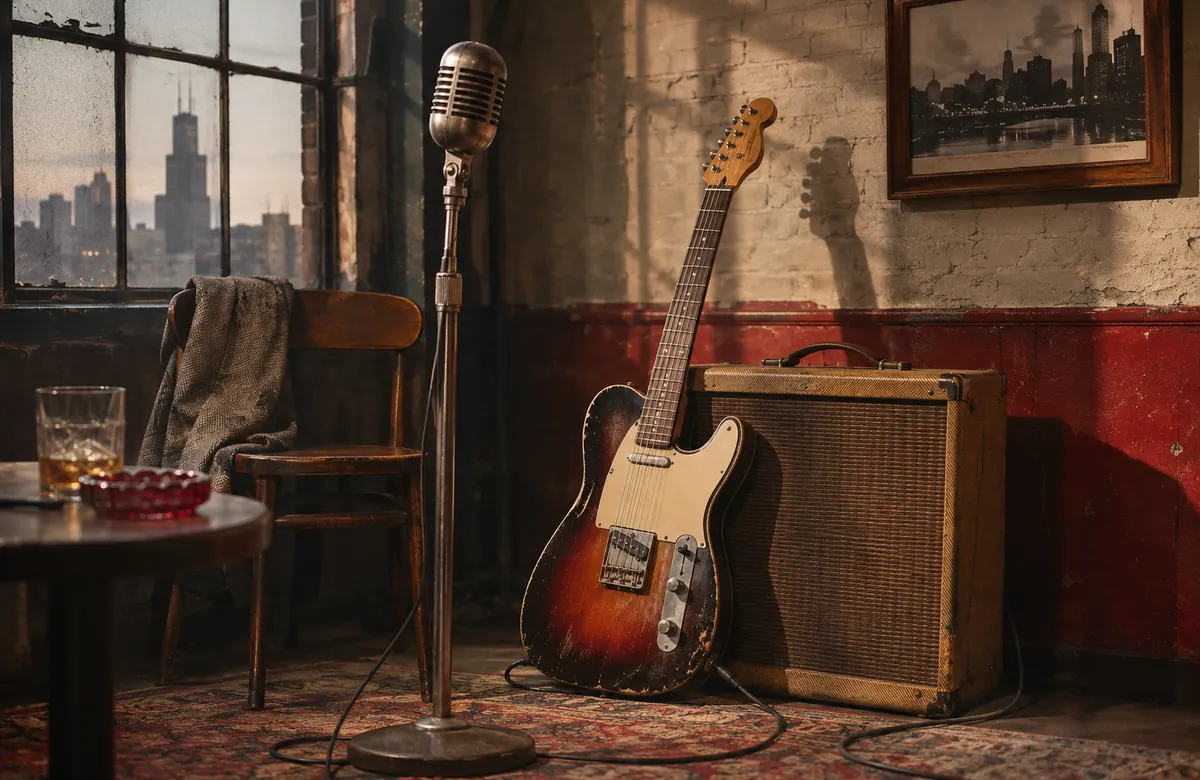
The Chicago blues grew out of migration, recording rooms, amplified instruments, and neighborhood clubs. Its sound remains a living musical language.
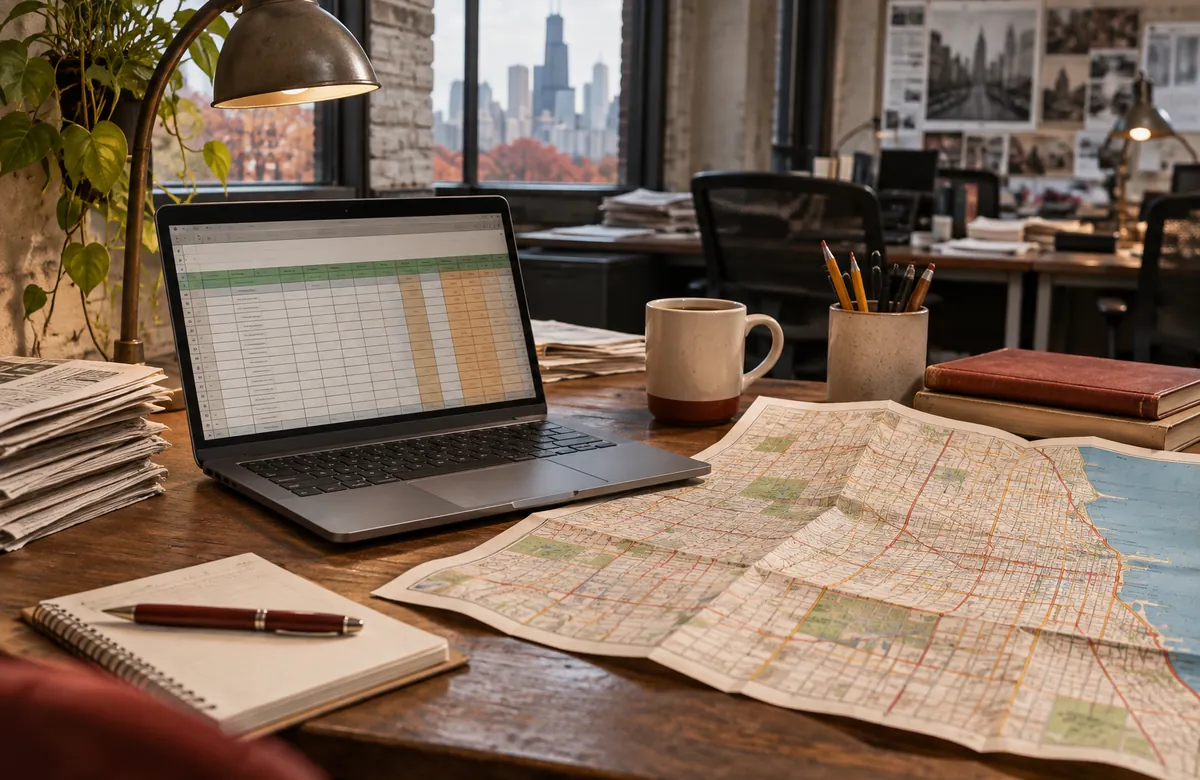
How reporters can evaluate Chicago's open datasets, identify limitations, compare rates fairly and turn numerical findings into clear reporting about city life.
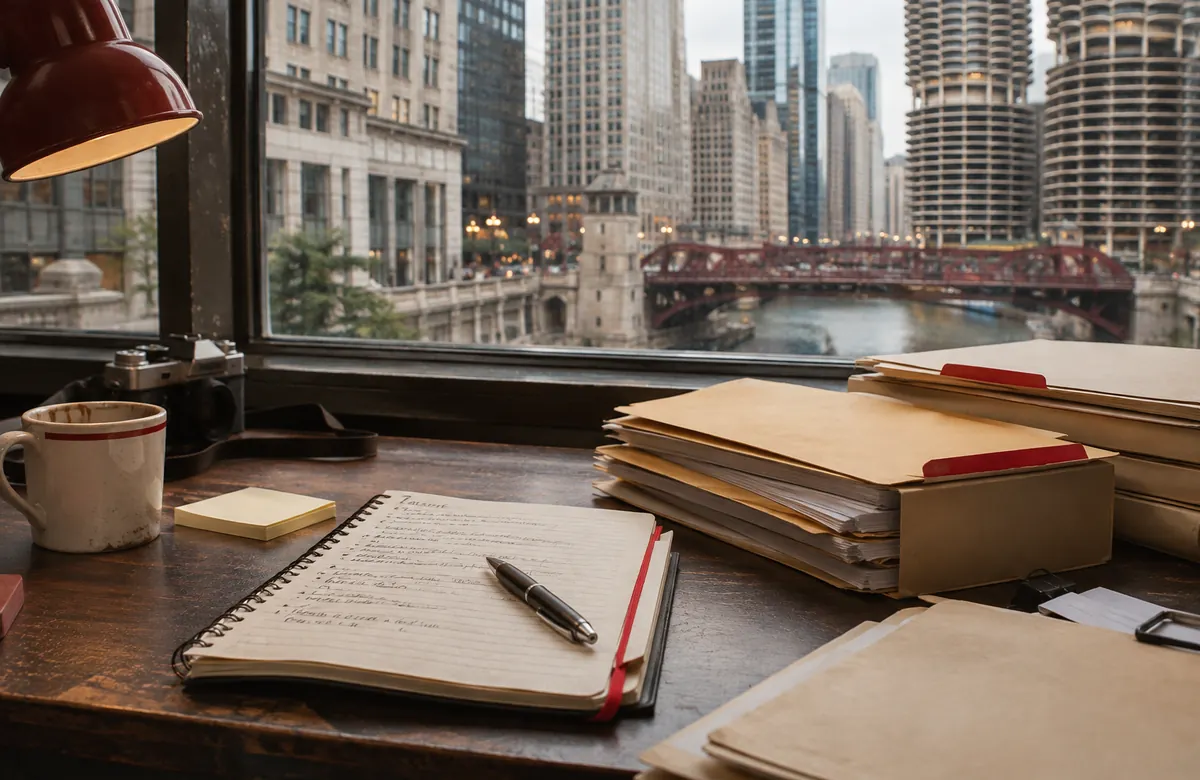
How Chicago reporters can turn an unanswered question into a public records request, understand a response and build a story from the documents they receive.

How an independent news organization can manage financial pressures, personal relationships and conflicts of interest while retaining editorial control.
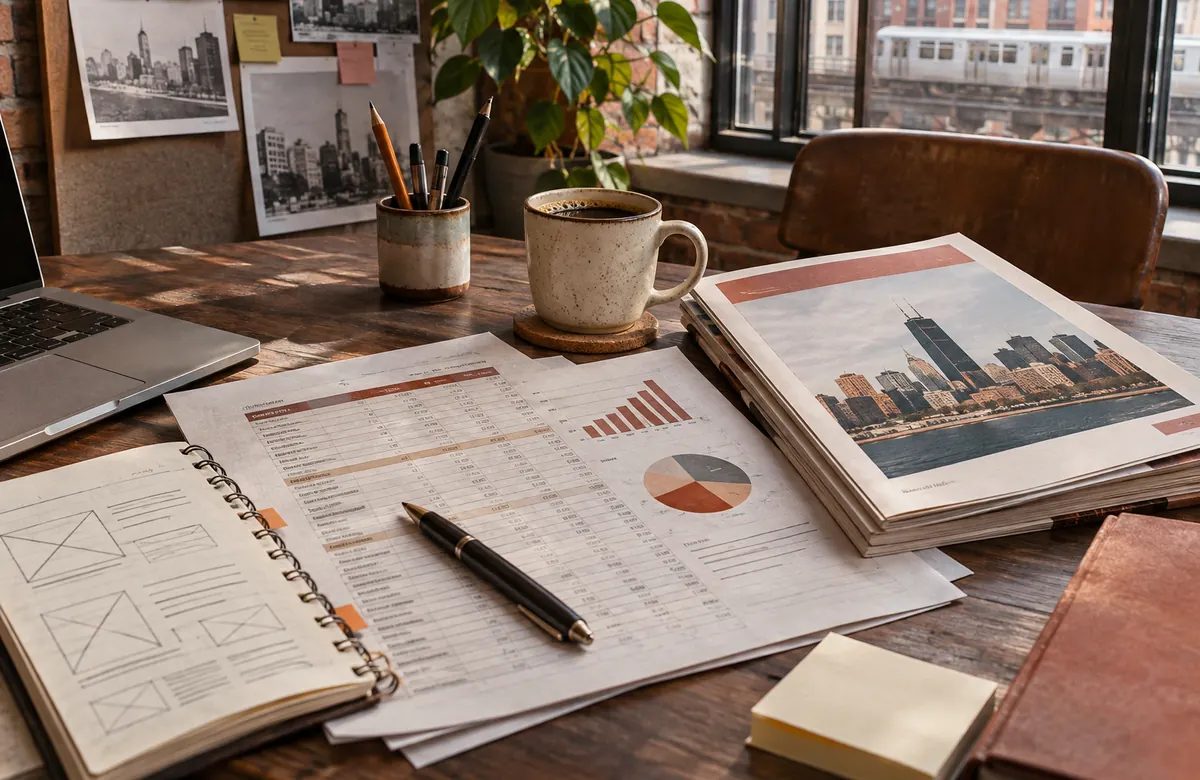
The costs of independent reporting and the tradeoffs between subscriptions, membership, grants, sponsorship and event revenue in local journalism.
How thoughtful text, images, audio, headings and navigation make journalism accessible, with a practical editorial approach to checking web articles.
What repeat visits, reader habits and direct relationships reveal about audience loyalty, and why large traffic spikes can mislead publishers.
How digital magazines can retain the pleasures of a carefully arranged issue while offering useful ways to discover, read and return to articles.
Why mobile news pages need room for the text, fast loading and sensible navigation, with practical tests a small editorial team can perform.
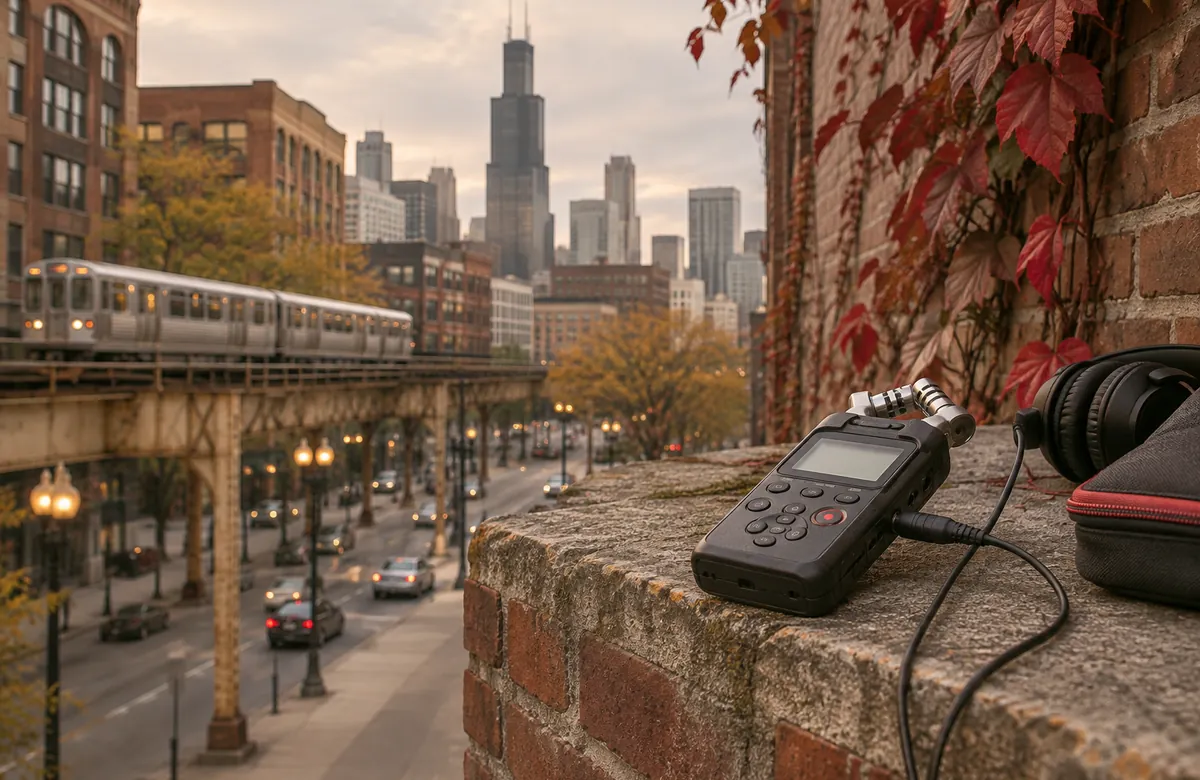
A practical guide to recording scenes, selecting meaningful sounds, handling narration and arranging a documentary audio story around verifiable events.
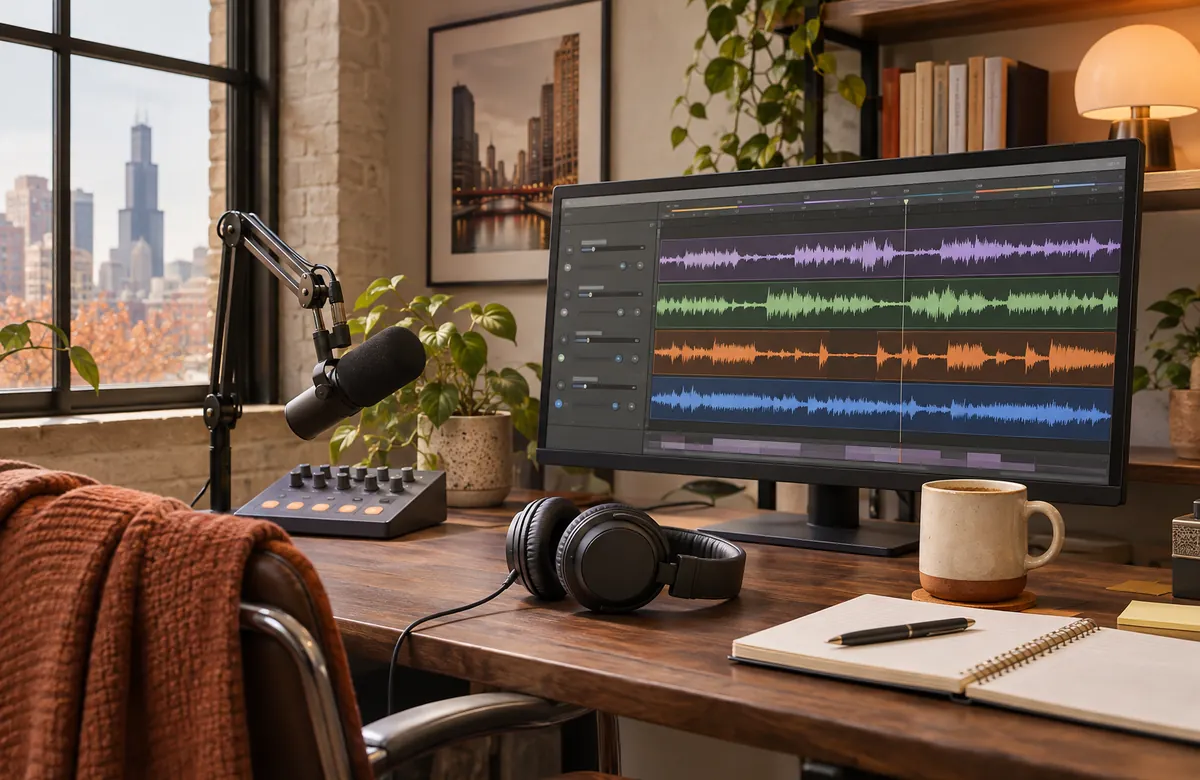
Shape a recorded podcast episode through content edits, sound checks, sensible pacing, reliable file management, and a final review made before release.
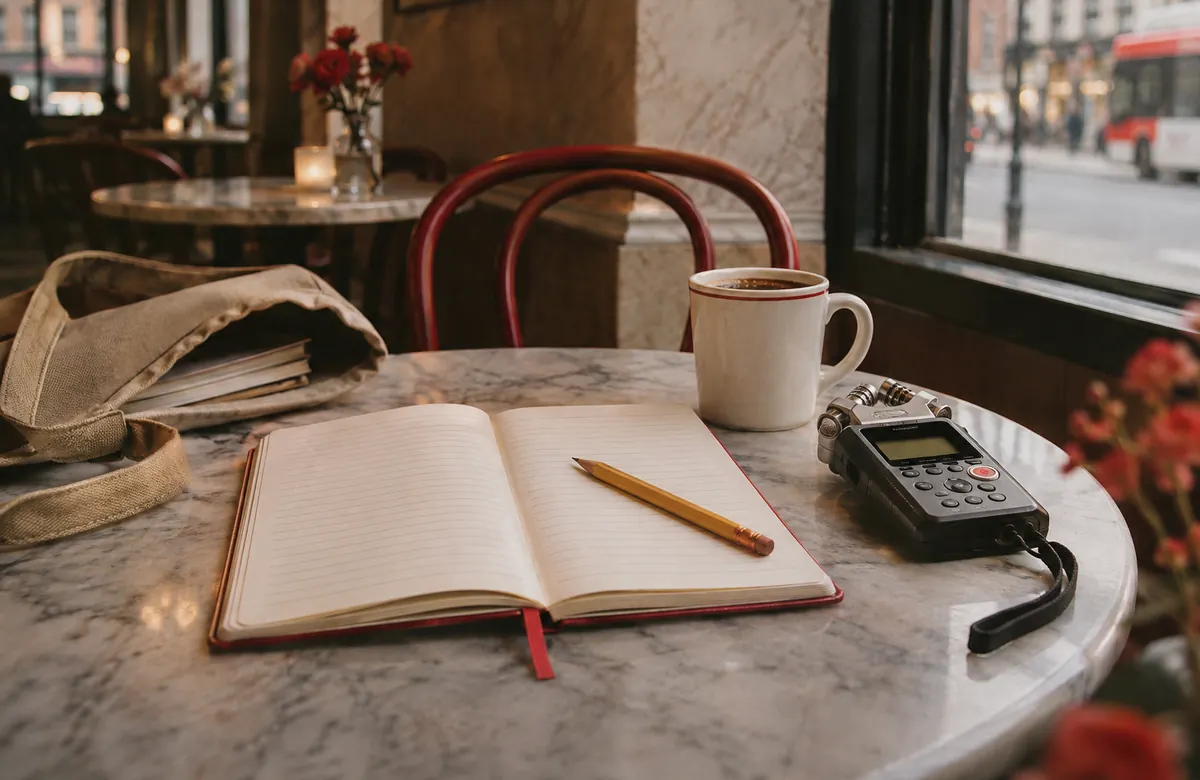
Build a useful interview plan by researching the subject, arranging questions in a workable order, listening closely, and making time for follow-up.
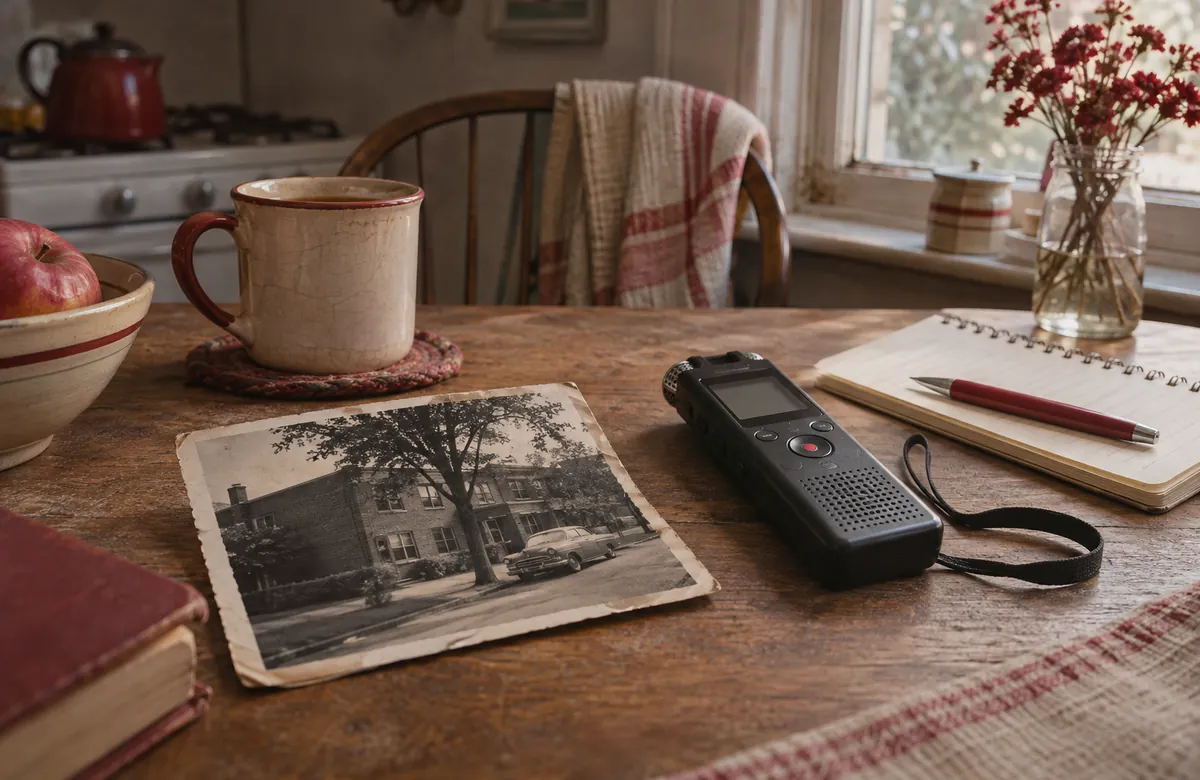
Prepare respectful oral history sessions, preserve speakers' language, describe gaps honestly, and store recordings for possible future use by researchers.
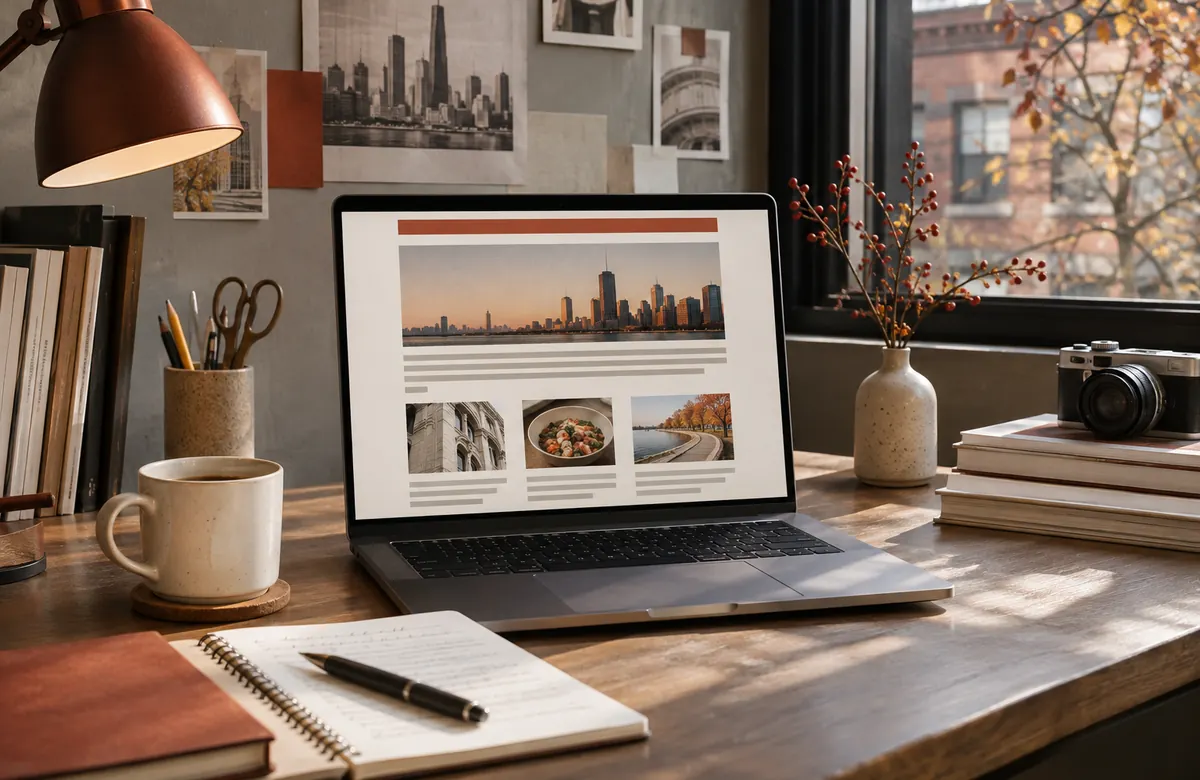
Design a useful editorial email through clear subject lines, sensible sections, thoughtful frequency, reader consent and careful review of audience feedback.
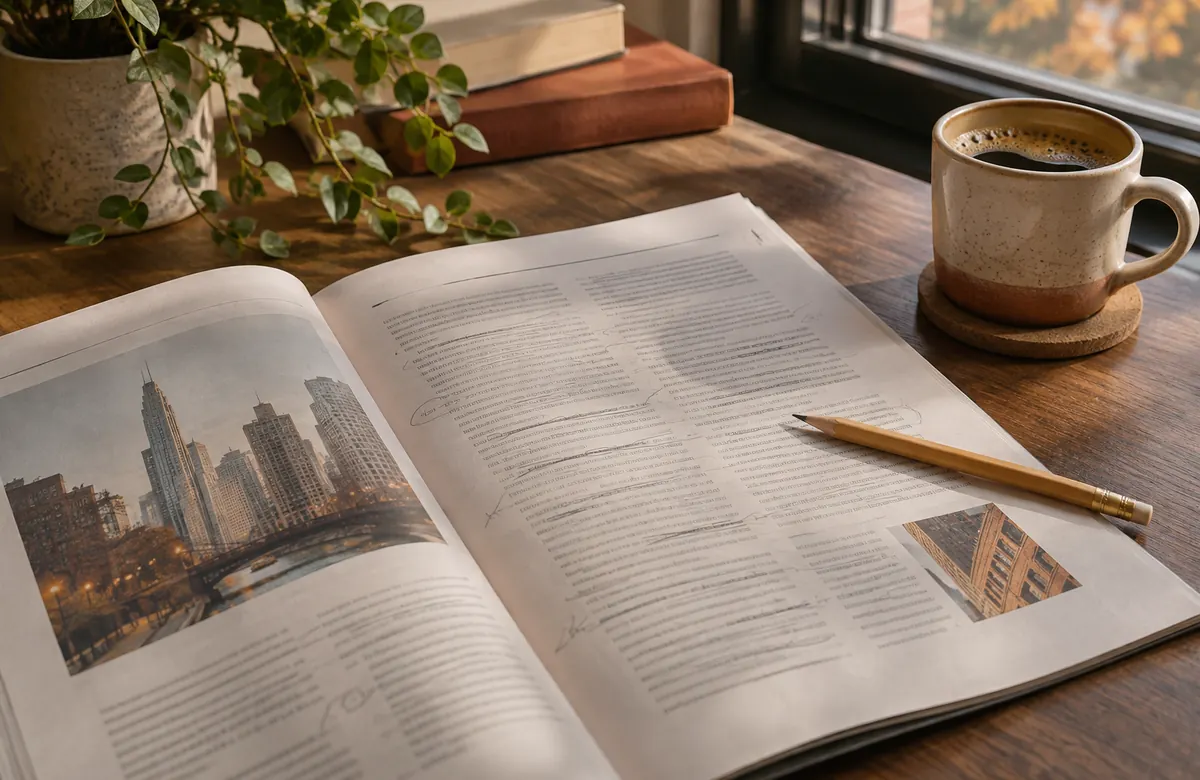
Revise magazine prose through concrete examples, accurate verbs, shorter sentences and well-placed details while retaining evidence and necessary nuance.
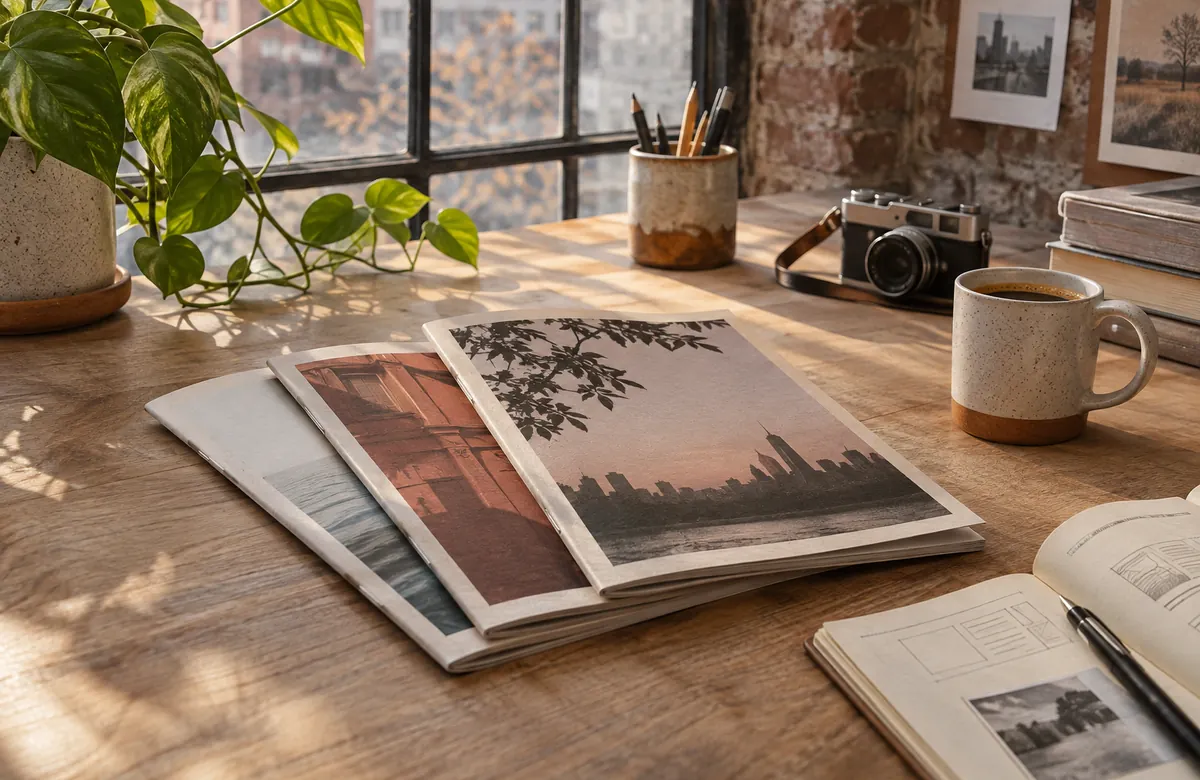
Plan a small editorial publication around manageable assignments, transparent budgets, clear responsibilities, production checks and a schedule it can sustain.
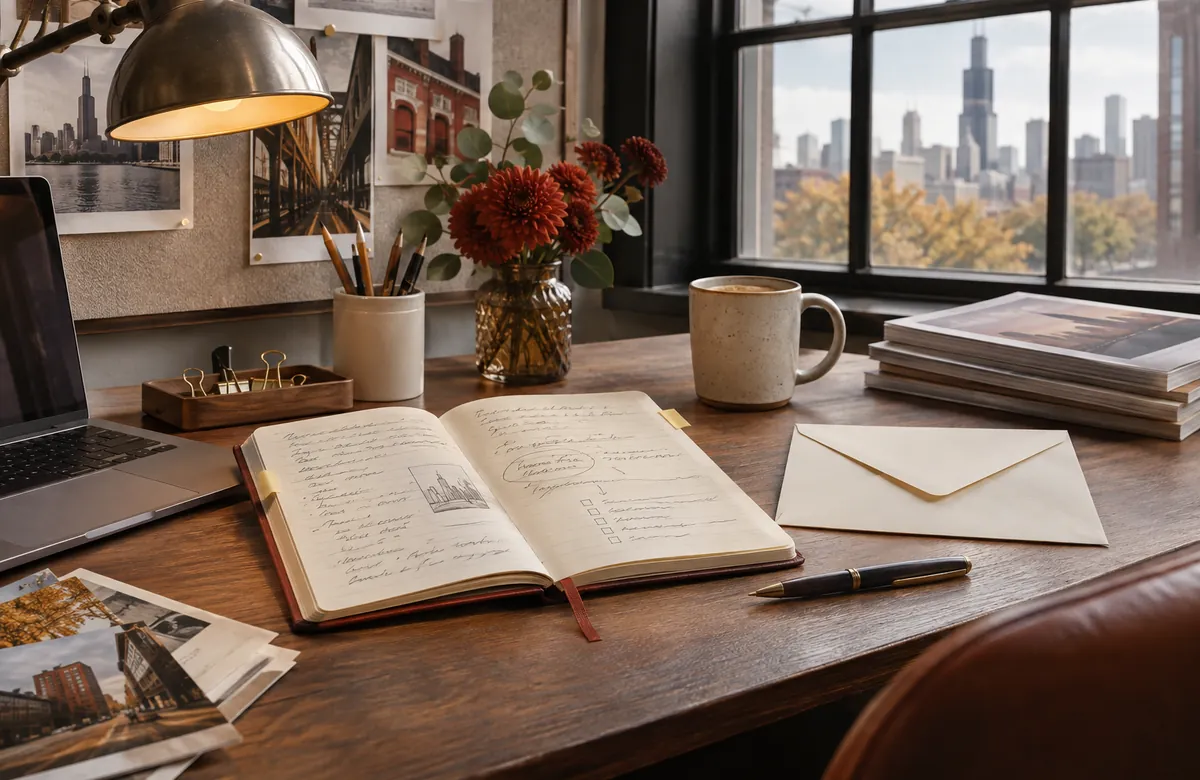
Develop a magazine pitch around a specific story, feasible reporting, useful evidence, clear scope and the needs of the publication's actual readers.
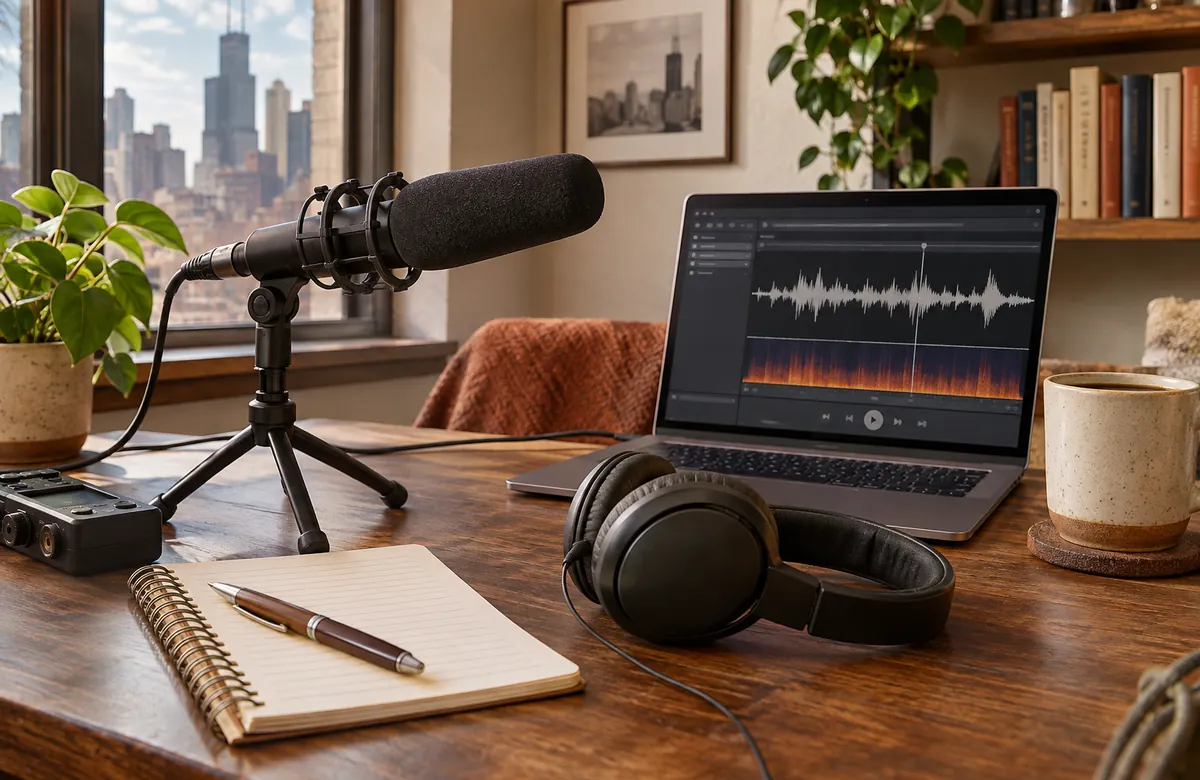
Learn how reporters can improve difficult interview recordings using careful edits, modest noise treatment, reference listening, and a preserved original.

How independent publishers can make documentary videos more accessible with useful captions, accurate speaker labels, descriptive transcripts, and review.
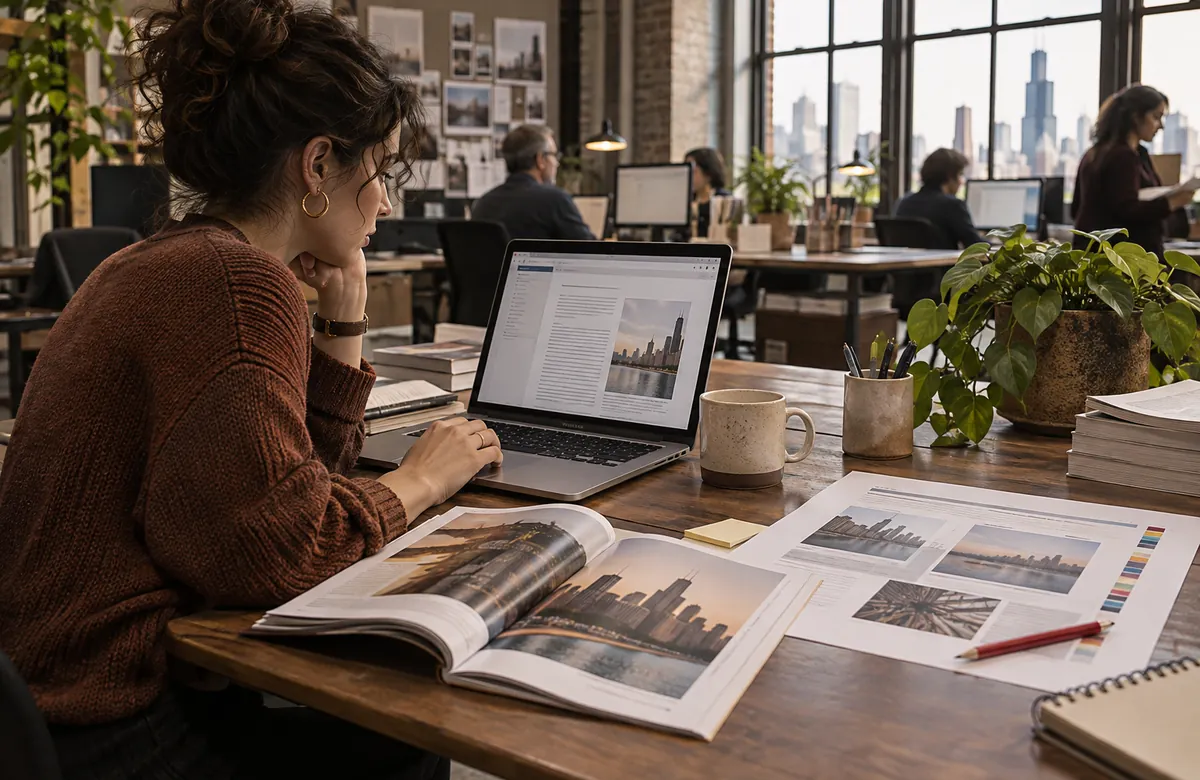
How an independent magazine can evaluate a publishing system for editorial review, accessible pages, corrections, stable archives, and practical ownership.
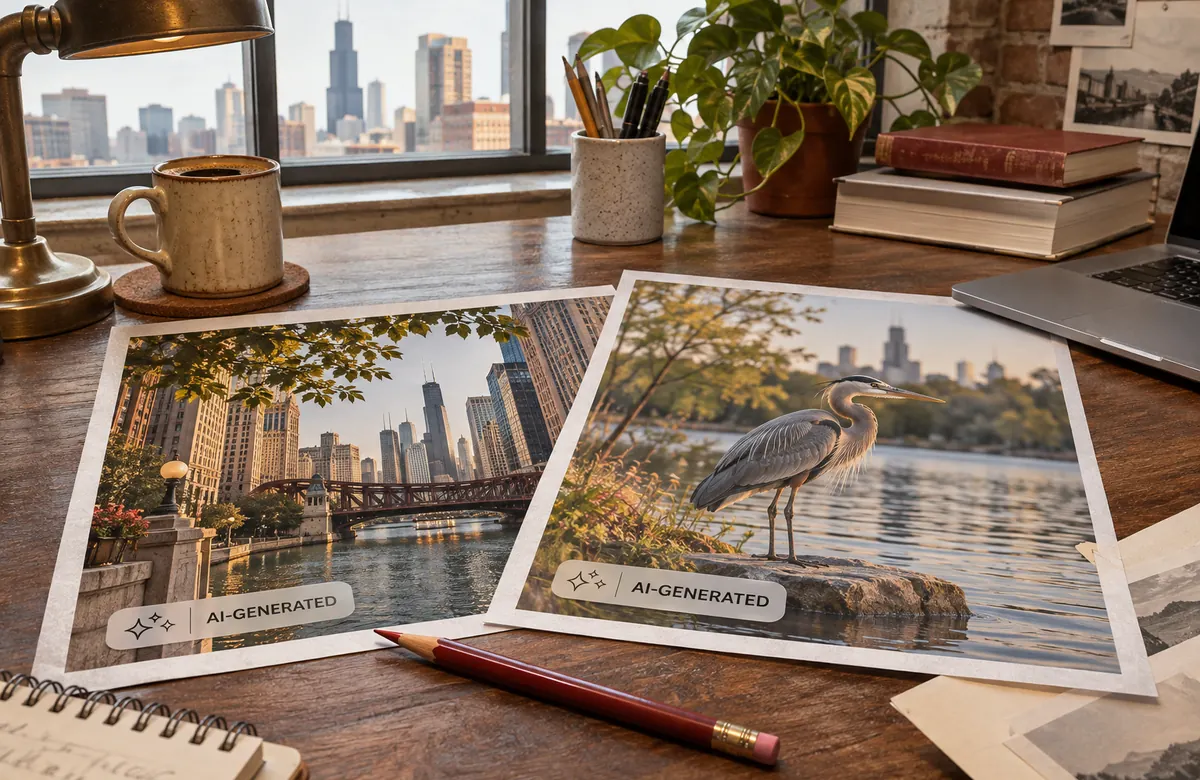
An editorial guide to identifying generated and altered media, choosing proportionate disclosure, documenting provenance, and separating illustration from fact.